



Plants belonging to the Brassicaceae family are able to absorb thallium—a heavy metal that is both highly toxic and economically valuable—from contaminated soils through their root systems and stems.
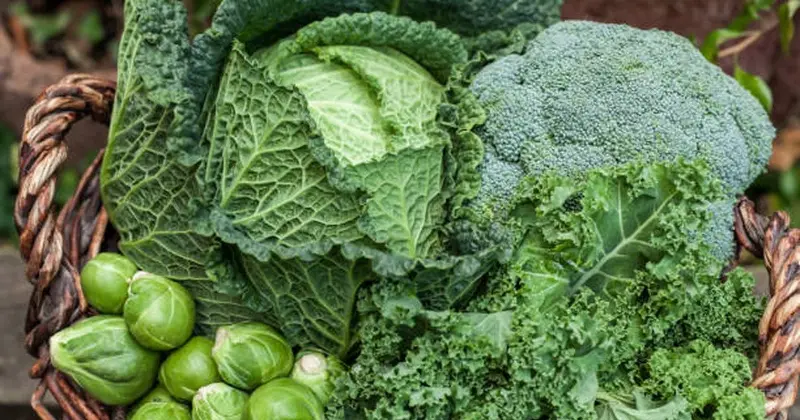
According to new research published in the journal Metallomics, scientists from Australia, Germany, and the Netherlands have discovered that common leafy green vegetables such as kale, cabbage, and broccoli can be used to extract toxic metals from contaminated soil, for use in energy and medical technology projects.
On April 13, the University of Queensland (UQ) in Australia issued a press release stating that a research team found that plants belonging to the Brassicaceae family are able to absorb thallium – a heavy metal that is both highly toxic and economically valuable – from contaminated soils through their root and stem systems.
The study's lead author, geochemist Amelia Corzo-Remigio at UQ, said that high-intensity X-rays confirmed the strong potential of the Brassica family in "phytomining," a naturally evolved mechanism in plants that allows them to extract traces of the metal thallium from soil.
Ms. Corzo-Remigio emphasized that although thallium is extremely toxic, it is a valuable raw material in the glass, semiconductor, and medical device industries. This makes cruciferous plants a potential tool for sustainable mineral extraction.
In particular, the research team discovered that kale accumulates "crystal deposits" of thallium along its leaf veins. This crystalline form would make the metallurgical extraction process more convenient.
Experts believe that unconventional mining methods such as "vegetation mining" not only help ensure the supply of essential metals for medical technology and renewable energy, but also contribute to the sustainable restoration and remediation of contaminated land.