



MINNEAPOLIS — The sound of scampering paws over the dirt patch in front of my tent woke me up.
“Was it a bear?” I wondered. I quickly unzipped my tent and saw what all the early morning commotion was about: Two squirrels were at war. One was barking as it madly shook a branch over my tent while the other darted around outside.
I was striking out on the Superior Hiking Trail for four days and three nights, alone, and safety and the possibility of bears were at the front of my mind. I breathed a sigh of relief. It was just a couple of critters.
Thru-hiking has always intrigued me — especially the idea of going it alone. I’ve traveled solo to cities in Europe and Asia and even to a Colorado ski resort for a snowboarding trip. But to take on Mother Nature solo was daunting.
In my two years as an outdoor recreation reporter, I’ve interviewed and written about some of Minnesota’s greatest outdoor legends. I always came away from each story wondering: Could I pull off even a fraction of what they’ve done on their own adventures?
This year I wanted to put my self-reliance and camping skills to the test, while also taking my time. I planned a relatively short route that started at the West Castle Danger Trailhead and ended at the edge of Split Rock Lighthouse State Park.
According to Lisa Luokkala, executive director of the Superior Hiking Trail Association (SHTA), that stretch is one of the trail’s most traveled, in part due to its proximity to Duluth.
The trek was just over 16 miles straight through — including spurs and backtracking, I traveled a total of 18 miles — and took me into towering birch and aspen forests and up steep climbs to ridgelines with magnificent views of Lake Superior.
That’s just a small chunk of the Superior Hiking Trail, which stretches more than 300 miles.
The full trail starts south of Duluth, then runs parallel along Lake Superior’s shoreline through the volcanic formations of the North Shore Highlands and Sawtooth Mountains, along and through lakes, rivers, bogs and boreal forest before ending near the Canadian border.
Established 40 years ago, the trail is estimated to see about 407,000 visits annually, accounting for short day hikes and multi-day, and even multi-month, trips, according to SHTA. It’s been heralded as one of the best hiking trails by National Geographic and is a source of inspiration for many.
Some people write songs and books about their experiences on the trail. Others find friendship and even love on it. Ahead of my trek, Luokkala told me I may experience “trail magic,” which is an unexpected act of kindness that happens on the trail.
“Trail magic can be when strangers help you get a ride back to town,” Luokkala said. “It comes in a lot of different ways.”
The dangers of hiking as a woman have long been a major talking point in the outdoors community. This year the subject drew wider attention when a man was found guilty of gross negligent manslaughter after he left his girlfriend on the highest peak in Austria. During the trial, it came out he’d done the same thing to a previous girlfriend.
Because I was solo, I involved many people in my adventure.
I told a relative my exact route and gave them updates every night when I was about to go to bed. If I didn’t have cellular service at my campsite, I’d send a message the next morning when my phone found service on the trail. I had an acquaintance in Duluth who was on call in case I needed to bail early. I also walked my editor through my plans.
On my first night, I was relieved to see a family with a small toddler at Crow Valley Camp. Though they packed up early the next morning, it was nice to be sleeping in the vicinity of other people. I was thankful my route was well traveled.
The next day, I packed up and headed to my next site in Gooseberry Falls State Park. It was a 5- to 6-mile hike with no water sources along the way, due to Minnesota’s worst drought since 2021. By the time I reached the Gooseberry River, I was dehydrated and hungry. In my rush to pack, and wanting to keep things light, I had brought only freeze-dried food that required hot water.
I sat myself on the side of the river, got in a good drink though my water purifier, made some food and took a short nap. After about 30 minutes, a man, standing on the other side of the river, woke me up asking if I was all right.
“I’m OK, I just had lunch and fell into a food coma,” I called back.
“Oh, that’s the best feeling,” he said, profusely apologizing for waking me up.
At the Gooseberry River campsite, I met a fellow solo woman hiker who was tackling the SHT piece by piece on weekends. We bonded over the overactive squirrels that were rustling through the leaves and the self-sufficiency it takes to go thru-hiking alone.
There’s a reward in itself in knowing you don’t need anyone’s help. Yet it’s nice to have company, we agreed.
She helped me start a campfire (I had brought a propane can and had intended to use it to cook all my food). When I told her I was relying entirely on my water filter pouch, she gave me a disposable plastic water bottle so I could pack even more water for the next day.
Because of the drought, there turned out to be no water along my next stretch, from Gooseberry River to Split Rock Lighthouse State Park — about a 5-mile hike. I was grateful for the extra water.
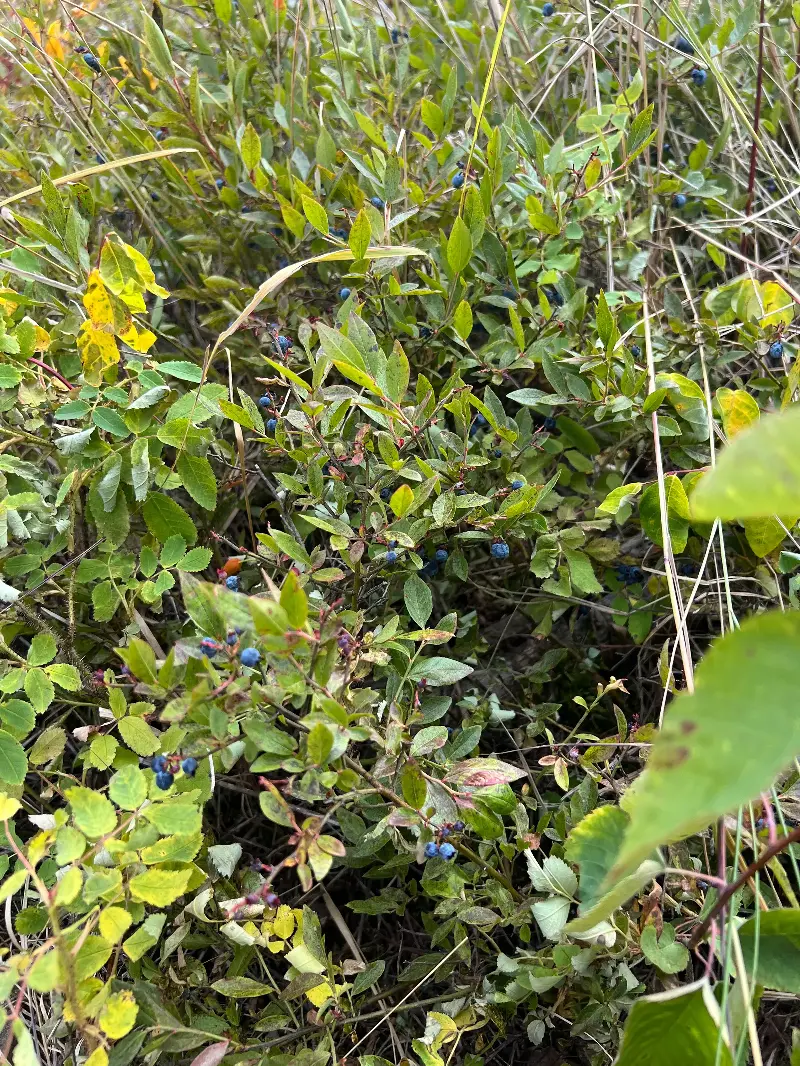
On my third and final night, I settled into my campsite after trekking back from Breadloaf Ridge, the farthest point I chose to go on the SHT. I cooked the rest of my food and met three women who were also camping there — one from Tennessee and two from Boston. They did a short out-and-back overnight trip from Gooseberry Falls to our campsite, aptly named Blueberry Hill, together.
They asked how I was faring on my own. Sheepishly I told them I had to ration my food early and was pretty hungry. One of the women from Boston handed me two granola bars and later offered more from their food pack. They had what seemed like an overflowing supply of tortillas, ramen and peanut butter.
That must be the trail magic everyone talks about, I thought. The kindness of strangers on the trail, who are so willing to help someone in need.
As I sat in my car following the trip, I thought about all the things that went wrong: I didn’t pack enough food, my sleeping bag kept unfurling in my bag (taking up more space) and there were only a few water sources.
Yet the good outweighed the bad.
I explored the North Shore and saw sights I’d never seen before. I made friends, learned new skills and, most of all, I proved I could do it all on my own. I hope to do small solo trips on the trail again next summer. Maybe someday I’ll do the whole thing.