


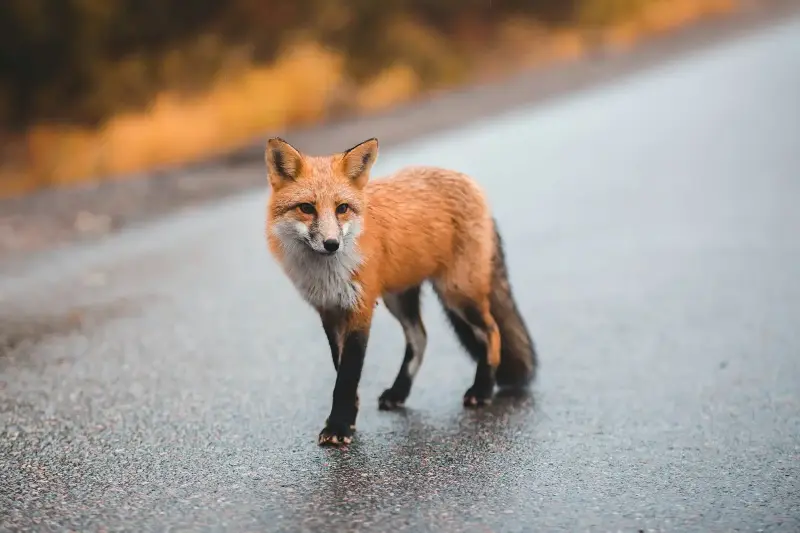
Foxes are among the world’s most adaptable mammals, thriving in places that range from frozen tundra and scorching deserts to busy city streets. Members of the canine family, they are famous for pointed ears, bushy tails, sharp senses, and quick thinking. There are about 37 species commonly called foxes, although only 12 belong to the true fox genus, Vulpes. Their global success comes from an impressive ability to adjust their diet, behavior, and physical traits to whatever landscape surrounds them.
A fox may look small beside a wolf or a coyote, but it is engineered for pure resourcefulness. Key attributes that make them such successful generalists include:
-
Solitary Hunting Habits: Most species hunt alone rather than in packs, listening closely for sub-surface movement.
-
Flexible Diet: They thrive on rodents, birds, insects, eggs, fruit, berries, fish, and urban food waste.
-
Seasonal Adaptation: Their opportunistic eating habits allow them to capitalize on whatever food is abundant, regardless of the season.
The Global Reach of the Red Fox
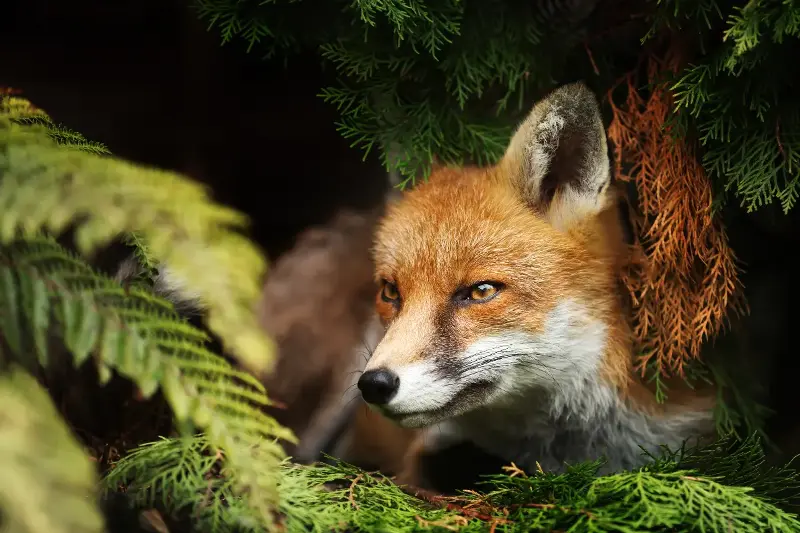
The red fox (Vulpes vulpes) is the best-known species and one of the most widely distributed wild land mammals on Earth. Naturally occurring across much of the Northern Hemisphere, it has also expanded into new territories. While its rusty red coat is iconic, red foxes can also feature black, silver, grey, or pale brown fur.
These resilient canids inhabit diverse environments:
-
Dense forests and open agricultural fields
-
High mountain ranges and coastal wetlands
-
Suburban neighborhoods and metropolitan cities
In urban areas, they travel under cover of darkness, using rail corridors, parks, and quiet alleys as natural routes. Living near human activity does not make them tame; urban foxes remain wild, usually avoiding direct contact while making smart use of available shelter and scraps.
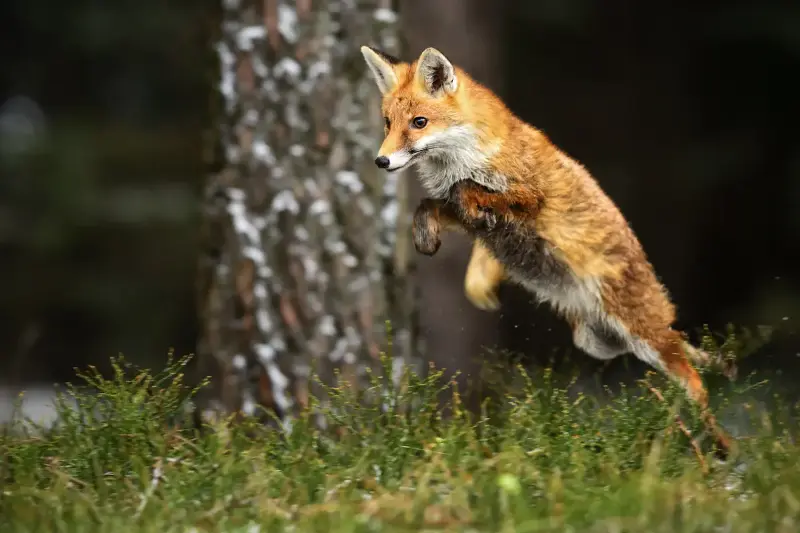
One of their most remarkable hunting techniques is the mousing pounce. When detecting prey under grass or snow, a red fox leaps high into the air and dives headfirst toward the sound. Research indicates that foxes may even use Earth's magnetic field as an internal rangefinder to accurately judge distance and direction.
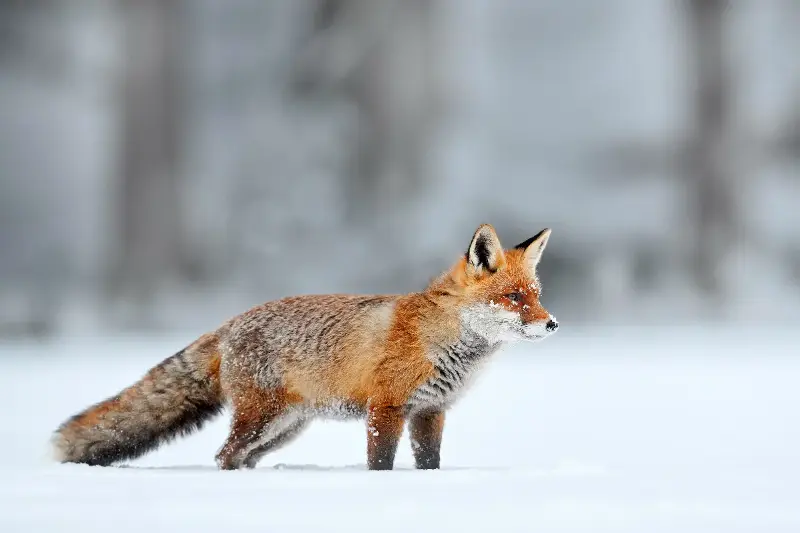
Thriving in Freezing Climates
The arctic fox is a true specialist of cold-weather survival, inhabiting frigid expanses across North America, Greenland, Iceland, and Eurasia. To endure harsh polar conditions, its body exhibits incredible evolutionary design:
-
Heat Retention: A compact body, short legs, small rounded ears, and dense fur minimize body heat loss.
-
Seasonal Camouflage: A pristine white winter coat blends into snow, shifting to brown or grey in summer to match tundra rocks and vegetation.
-
Specialized Insulation: Furry soles provide traction on ice, while a long tail wraps around the face like a warm scarf during sleep.
Food sources fluctuate dramatically in polar regions. Arctic foxes rely heavily on lemmings and coastal resources like fish or eggs, and some even follow polar bears from a distance to scavenge remaining food.
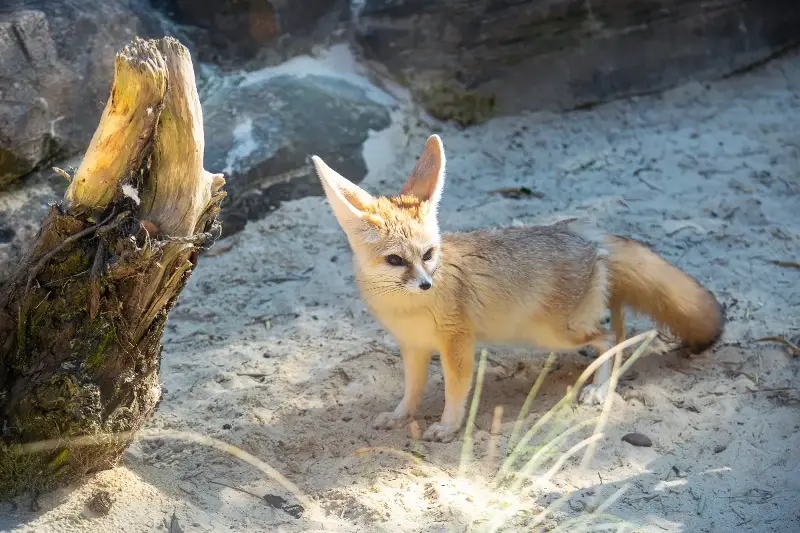
Desert Specialists and Nighttime Adaptations
At the opposite extreme, the fennec fox survives in the arid Sahara Desert. Weighing only 1 to 1.5 kilograms, it is the smallest fox species in existence. Its oversized ears serve a dual purpose: detecting subtle movements of subterranean prey and radiating excess body heat to keep cool.
Desert survival requires specialized adaptations:
-
Nocturnal Activity: Fennec foxes stay active at night to avoid extreme daytime heat.
-
Heat Protection: Dense fur on their paw pads acts like natural insulation against scorching sand.
-
Reflective Fur: Pale, sandy-colored coats reflect sunlight and provide natural camouflage.
Other desert specialists, such as the kit fox of North America and the swift fox of the Great Plains, rely on similar nocturnal habits and underground burrows to conserve moisture and energy.
Agile Tree Climbers and Urban Neighbors
Not all foxes remain grounded. The grey fox of North and Central America possesses strong, hooked claws that allow it to scale vertical trunks and rest among high branches—a rare capability among canine species. Climbing helps grey foxes evade predators and gather tree-borne fruit.
Communication among foxes is equally varied, utilizing scent markings, expressive body postures, and dynamic vocalizations ranging from sharp barks to high-pitched calls. Young foxes, known as kits or cubs, spend their early months playing near the den. This energetic play builds vital coordination, hunting techniques, and social skills needed for adulthood.
Ecological Importance and Conservation
Foxes play vital roles in healthy ecosystems. By preying on rodents and insects, they help maintain natural population balances. Furthermore, by consuming wild fruit, they act as effective seed dispersers across broad distances.
Despite their resilience, foxes face ongoing challenges:
-
Habitat loss and fragmentation
-
Road hazards and environmental pollution
-
Climate change shifting natural boundaries
As temperatures rise, larger red foxes move further north, creating competition with arctic foxes for food and den sites. Ultimately, the enduring appeal of foxes lies in their blend of beauty, keen intelligence, and incredible versatility—proving that survival often belongs to those most capable of adapting to a changing world.