



Autumn brings crisp air, colorful leaves, and a welcome break from summer heat, but it can also challenge the skin. As temperatures fall and indoor heating turns on, humidity drops significantly. This causes water to evaporate from the skin more quickly, leaving it feeling tight, dull, flaky, or unusually sensitive. Even people with naturally oily skin may notice dry patches around the nose, mouth, and cheeks.
The key is not to completely reinvent your routine overnight. Instead, make thoughtful seasonal adjustments that support the skin barrier—the protective outer layer that keeps moisture in and irritants out.
Why Autumn Skin Needs Extra Care
The skin barrier is made of natural oils, fats, and cells arranged like bricks and mortar. Cold wind, low humidity, hot showers, and harsh cleansers can weaken this structure, increasing transepidermal water loss.
A weakened barrier leads to several common issues:
- Rough texture and persistent tightness
- Redness and itching during temperature changes
- Stinging sensations when applying everyday products
Autumn skincare should focus less on aggressive treatments and more on deep moisture, protection, and consistency.
Make Your Cleanser Gentler
Squeaky-clean skin is not necessarily healthy skin. If your face feels tight within minutes of washing, your cleanser may be stripping away natural protective oils.
Consider swapping foaming or heavily fragranced cleansers for a cream, milk, or balm formula. Look for hydration-boosting ingredients:
- Glycerin: Draws water into the outer skin layers
- Ceramides: Reinforce and repair the lipid barrier
- Squalane: Softens and smooths rough patches
- Hyaluronic Acid: Helps skin retain essential moisture
Pro-tip: Wash with lukewarm water rather than hot water, as high temperatures strip protective lipids and exacerbate dryness.

Layer Moisture the Smart Way
Autumn is the ideal time to introduce a multi-layered hydration routine:
- Hydrating Serums: Apply a humectant serum containing hyaluronic acid or panthenol directly onto damp skin to trap moisture.
- Nourishing Moisturization: Follow with a moisturizer rich in emollients like shea butter or fatty acids to smooth rough texture.
- Targeted Occlusives: Apply a rich balm over exceptionally dry spots—like lips, cuticles, and cheeks—to create a light seal that slows moisture loss.
Keep Exfoliation in Balance
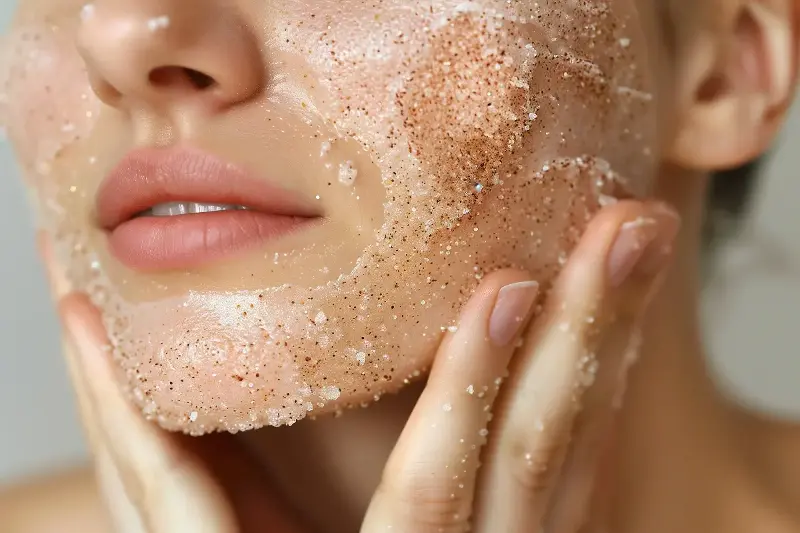
Exfoliation brightens a dull autumn complexion by lifting away dead surface cells, but overdoing it is one of the fastest ways to cause irritation. Physical scrubs with rough particles can be especially harsh on compromised skin.
If you use chemical exfoliants, reduce the frequency as the weather cools. Switching to gentler options like lactic acid or polyhydroxy acids once a week helps maintain smooth skin while simultaneously supporting hydration.
Do Not Retire Your Sunscreen
Cloudy skies can make sunscreen seem unnecessary, but ultraviolet radiation remains active year-round. UVA rays, which contribute to premature aging and hyperpigmentation, easily pass through clouds and window glass.
Choose a broad-spectrum SPF 30 or higher as the final step of your morning routine. If summer formulas feel too light, opt for a moisturizing sunscreen enriched with niacinamide or ceramides.
Support Skin Beyond the Bathroom Shelf
Small lifestyle adjustments make a noticeable difference in skin comfort:
- Use a humidifier: Replenish indoor air moisture lowered by artificial heating.
- Wear protective accessories: Soft scarves and gloves shield cheeks and hands from biting wind.
- Maintain internal health: Eat foods rich in omega-3 fatty acids—such as walnuts and flaxseeds—to support overall skin health.
Give your new routine time to work. Comfort, reduced flaking, and a calm complexion are the best signs that your autumn routine is keeping your skin radiant through the cooler months.