


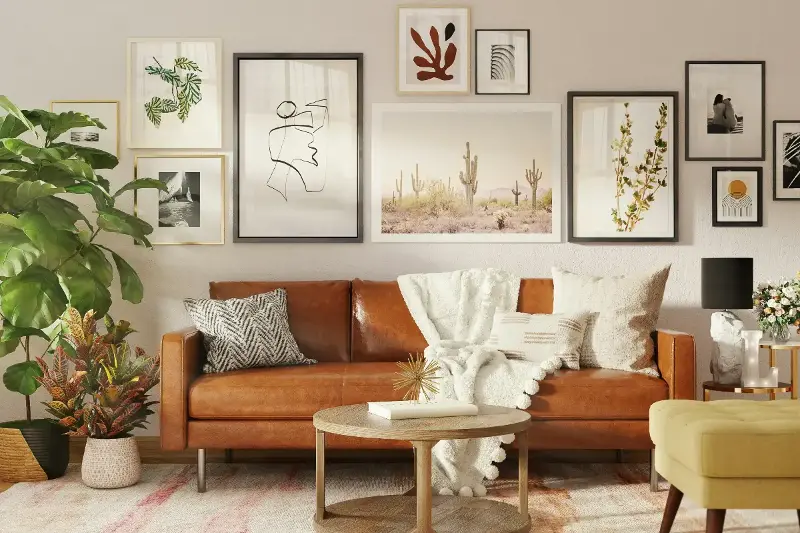
Today’s homes are more than just places to eat and sleep—they’re sanctuaries that offer a vital break from our busy, tech-filled world. While modern design often leans towards sleek, minimal lines and monochromatic palettes, a new movement is flourishing.
It’s called biophilic design, and it’s all about bringing nature home in beautiful, unexpected ways. Whether you’re living in a city apartment or a spacious suburban house, the trend toward “greening” interiors is transforming how we decorate and how we feel in our spaces.
LIVING WALLS: VERTICAL GARDENS THAT BREATHE LIFE
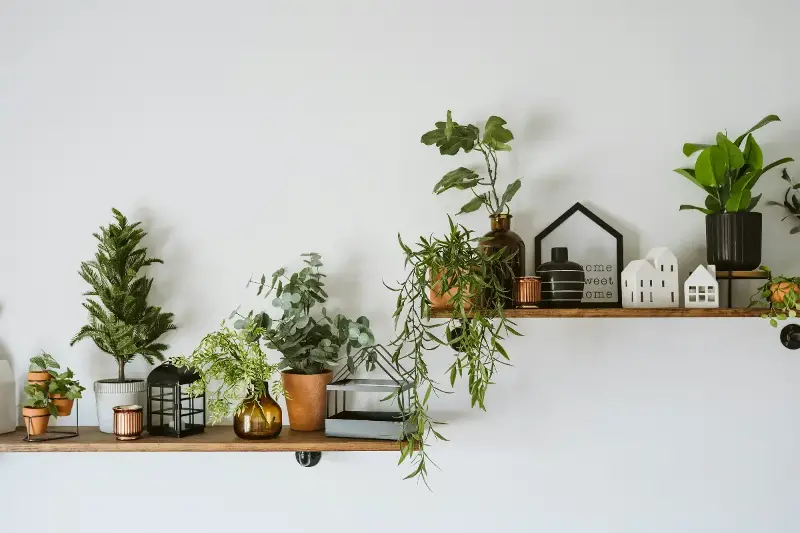
One of the most stunning innovations in biophilic design is the living wall, sometimes called a green wall or vertical garden. Imagine a whole section of your living room bursting with lush moss, vibrant ferns, and cascading vines.
Living walls don’t just serve as vivid, dynamic backdrops; they also provide incredible functional benefits:
- Air purification: They help filter out common household toxins. NASA studies have shown that certain plants like peace lilies, spider plants, and ferns can help remove volatile organic compounds from indoor air.
- Acoustic comfort: The dense layers of foliage naturally absorb sound, creating a quieter environment.
- Humidity control: Plants release moisture, keeping indoor humidity at a comfortable level.
What’s more, living walls are surprisingly versatile. Modular systems allow you to install them as small panels or let them span entire walls. For renters, freestanding versions can deliver the same lush impact without permanent alteration.
Pro Tip: While embracing an indoor vertical garden might sound ambitious, DIY kits and professional services make it a reality for almost any home—even those with limited natural light. Just choose low-maintenance plants suited to your environment!
RAW WOOD: CELEBRATING NATURE’S IMPERFECTION
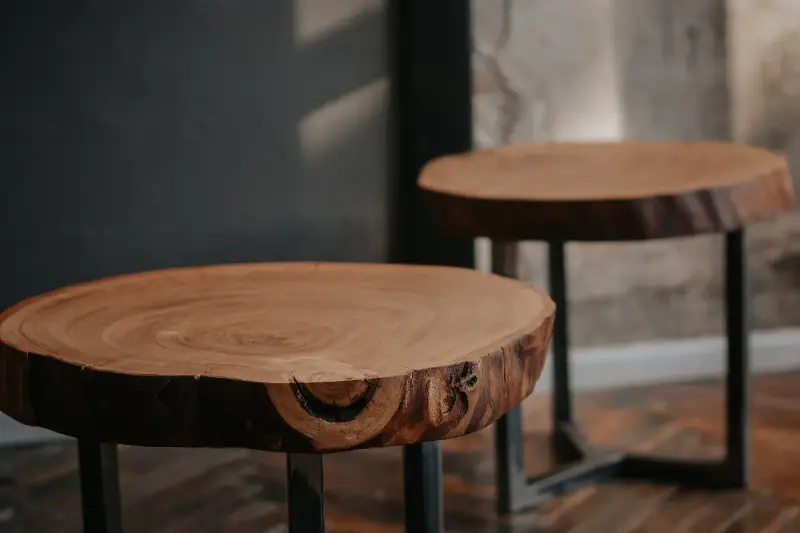
After years of high-gloss finishes, the allure of raw, untreated wood is unmistakable. From coffee tables with live edges to exposed ceiling beams, incorporating wood in its natural state adds warmth, texture, and a sense of grounding.
Designers are increasingly choosing reclaimed or sustainably sourced timber. Each knot, unique grain, or subtle flaw tells a story that’s entirely unique to your home.
Perhaps the most exciting twist is pairing raw wood with ultramodern materials:
- Scandinavian birch beams set against polished concrete
- A natural oak dining table surrounded by sleek acrylic chairs
- A rugged slab-wood bookshelf resting against a minimalist accent wall
Not only does this approach create incredible visual interest, but using raw wood also taps into biophilic design’s most powerful principle: fostering a direct, tactile connection to the beautiful outdoors.
NATURAL TEXTILES AND TACTILE COMFORT
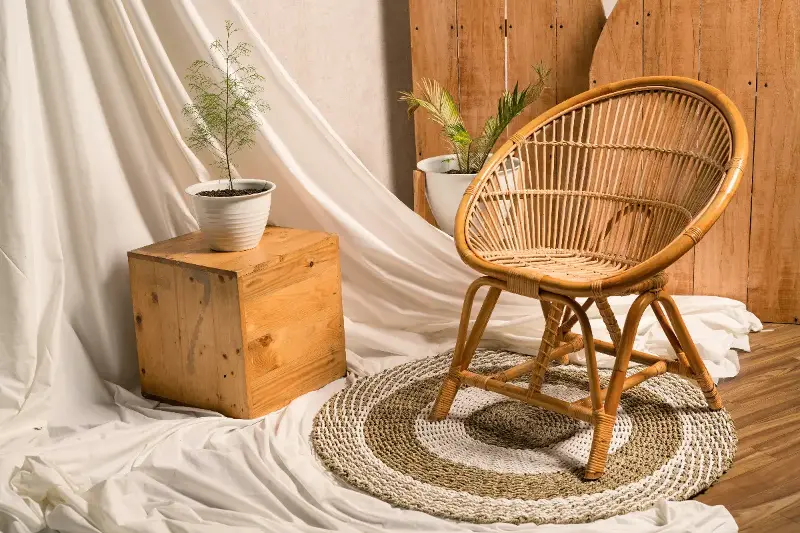
Modern interiors sometimes get a reputation for being stark or cold, but natural textiles turn that stereotype upside down. Picture a living room softening under the embrace of a handwoven wool rug, or a cozy sofa layered with organic linen and cotton throws.
Tactile materials like jute, bamboo, and rattan are making a major comeback, offering not just visual beauty but a rich sensory experience as well.
What sets natural textiles apart?
- Breathability: They are incredibly gentle on the skin—perfect for everything from curtains to bedding.
- Sustainability: They often require less energy to produce and are entirely biodegradable, making them a wise choice for eco-conscious decorators.
Mixing different textures—crisp linen with fuzzy wool, or smooth silk with chunky knits—brings depth and a welcoming, positive energy to even the starkest modern spaces.
BOTANICAL ART AND NATURE-INSPIRED ACCENTS
If you love the idea of nature indoors but aren’t ready for a full living wall, botanical art is a stylish compromise. Contemporary designers are exploring everything from oversized photographic prints of lush forests to delicate, pressed-leaf arrangements framed in minimalist black glass.
The key is to let these pieces shine. Hang an extra-large leaf or floral print right above the sofa, or group smaller botanical sketches together for a charming gallery wall.
Sculptural accents inspired by nature have found their way into furniture and decor, too:
- Tables shaped like organic tree stumps
- Leafy metal hangings that catch the light
- Vases that mimic fluid, organic forms
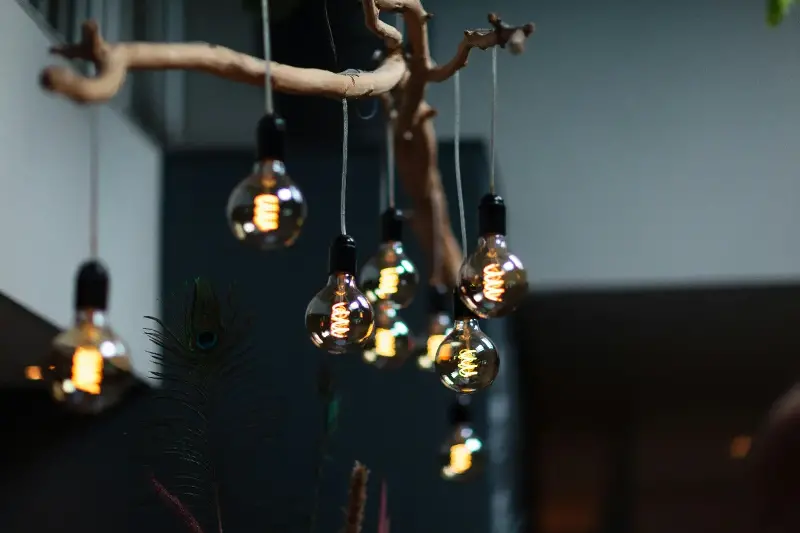
- Lighting fixtures designed to look like branches, petals, or clouds
These accents create points of visual interest and make rooms feel both sophisticated and alive.
NATURAL LIGHT AND INDOOR-OUTDOOR FLOW
No element captures the spirit of bringing nature inside quite like pure sunlight. Expansive windows, skylights, and glass doors can dramatically increase natural light, making spaces feel significantly larger while boosting overall well-being.
Open-plan living encourages a seamless sense of flow between indoor and outdoor areas. Large patio doors, sliding panels, and glass partitions blur the line between the garden and the living room.
Even if your home has limited access to outdoor space, strategic placement of mirrors and reflective surfaces can amplify natural light and invite a beautiful sense of openness. Embracing these natural materials isn't just a design choice—it's a lifestyle statement that nurtures both body and mind.